Best of Mallorca
Most of what people picture when they think of Mallorca sits in about four places: Palma, the Tramuntana mountains along the north-west coast, the calas of the south-east, and the long sandy bays of the north. The island is roughly 100 km across, so those are genuinely different trips rather than different afternoons. Driving from Palma to a cove near Santanyí is about an hour; crossing to Sa Calobra takes longer than the map suggests, because the road is the point.
This page is the shortest useful summary of the whole island, and a way into the guides that go deeper. Each section covers what that part of Mallorca is actually like, a few places worth building a day around, and where to read more.
Where to start
If you have three days, pick one base and one region — the island punishes ambitious itineraries with time in the car. Palma suits a first visit, a short trip or a winter one: it is a real city with a cathedral, markets and a bar scene, and the airport is fifteen minutes away. The Tramuntana suits walkers, cyclists and anyone who would rather look at mountains than a pool. The south-east suits swimming above everything else.
A week gives you two bases comfortably. Two weeks lets you add the north, which is where the archaeology and the birdlife are.
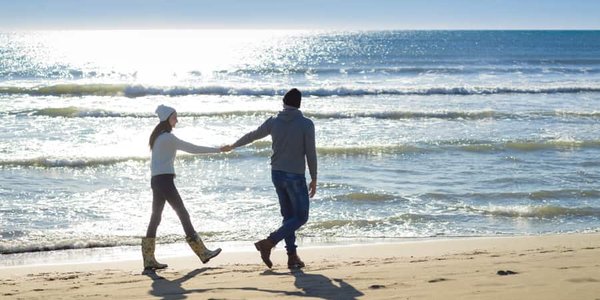
3-Day Romantic Getaway: Palma Glam & Sunset Coves
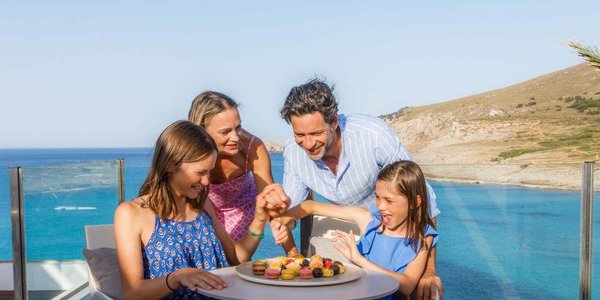
Mallorca 3-Day Family Itinerary: Exploring nature, culture and family-friendly recommendations
Beaches and coves
The south-east coast is cut into dozens of narrow inlets — calas — with pale sand and water that goes turquoise over the shallows. They are small, and in July and August they fill early. The north has the opposite: broad shallow bays at Alcúdia and Playa de Muro where the water stays waist-deep a long way out, which is why families settle there.
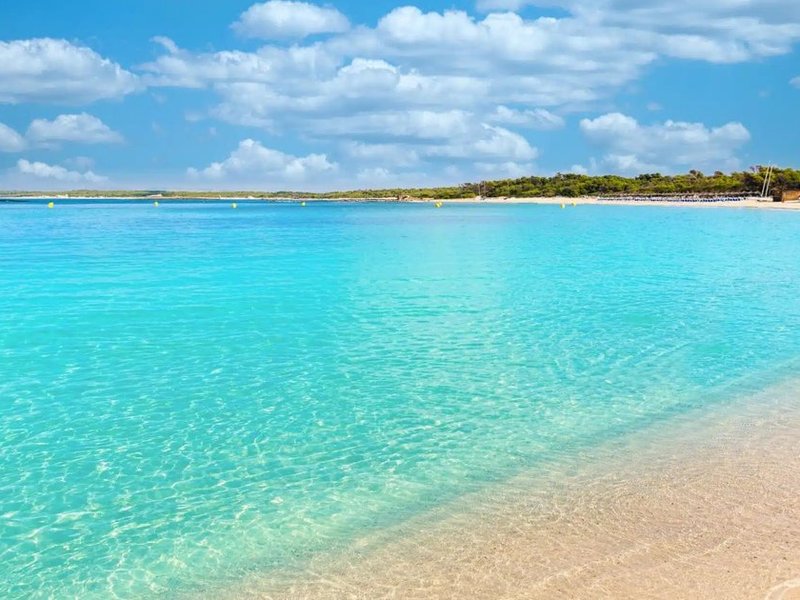
Es Trenc is the exception on the south coast — a long undeveloped dune-backed beach inside a protected area, with no resort behind it.
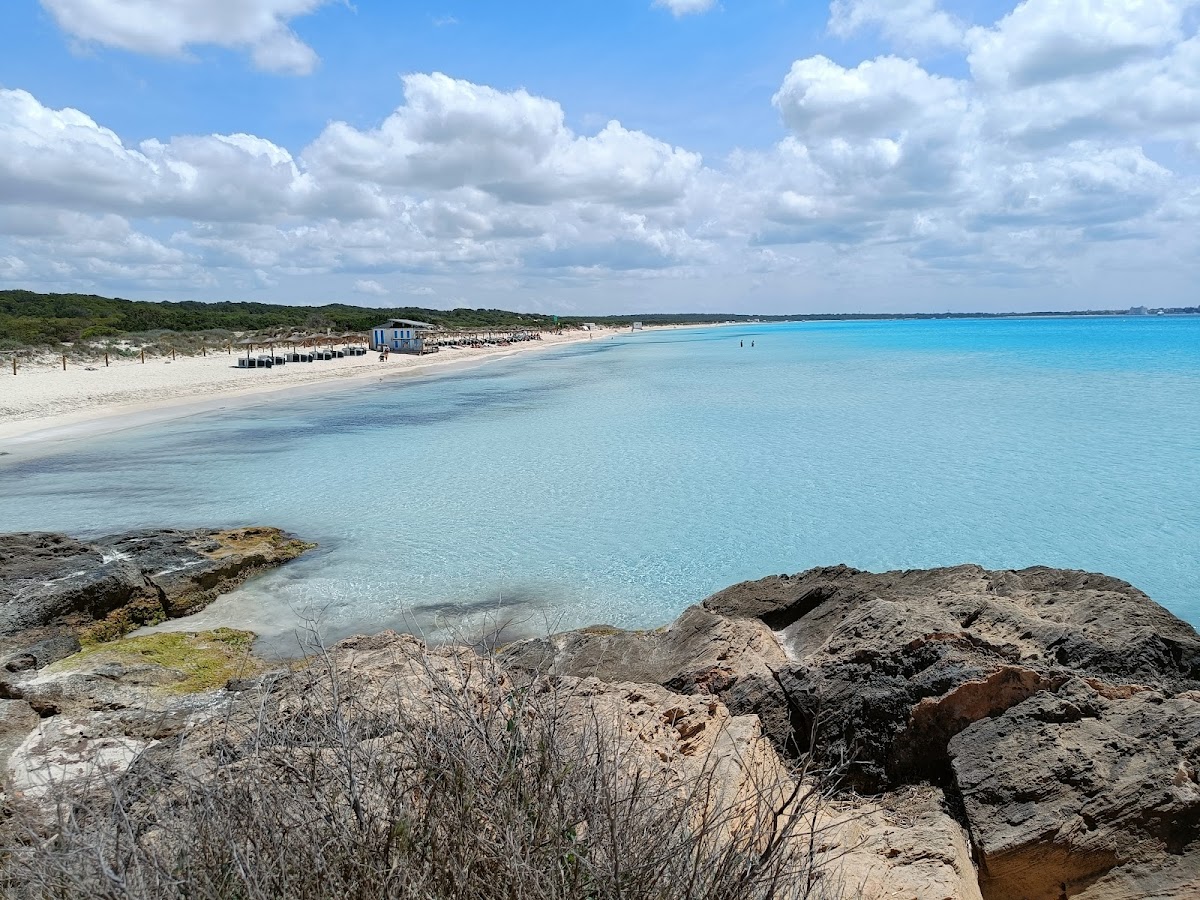
Cala Mondragó sits inside a natural park, so the pine woods behind it have never been built on. It is one of the easier calas to reach with children.
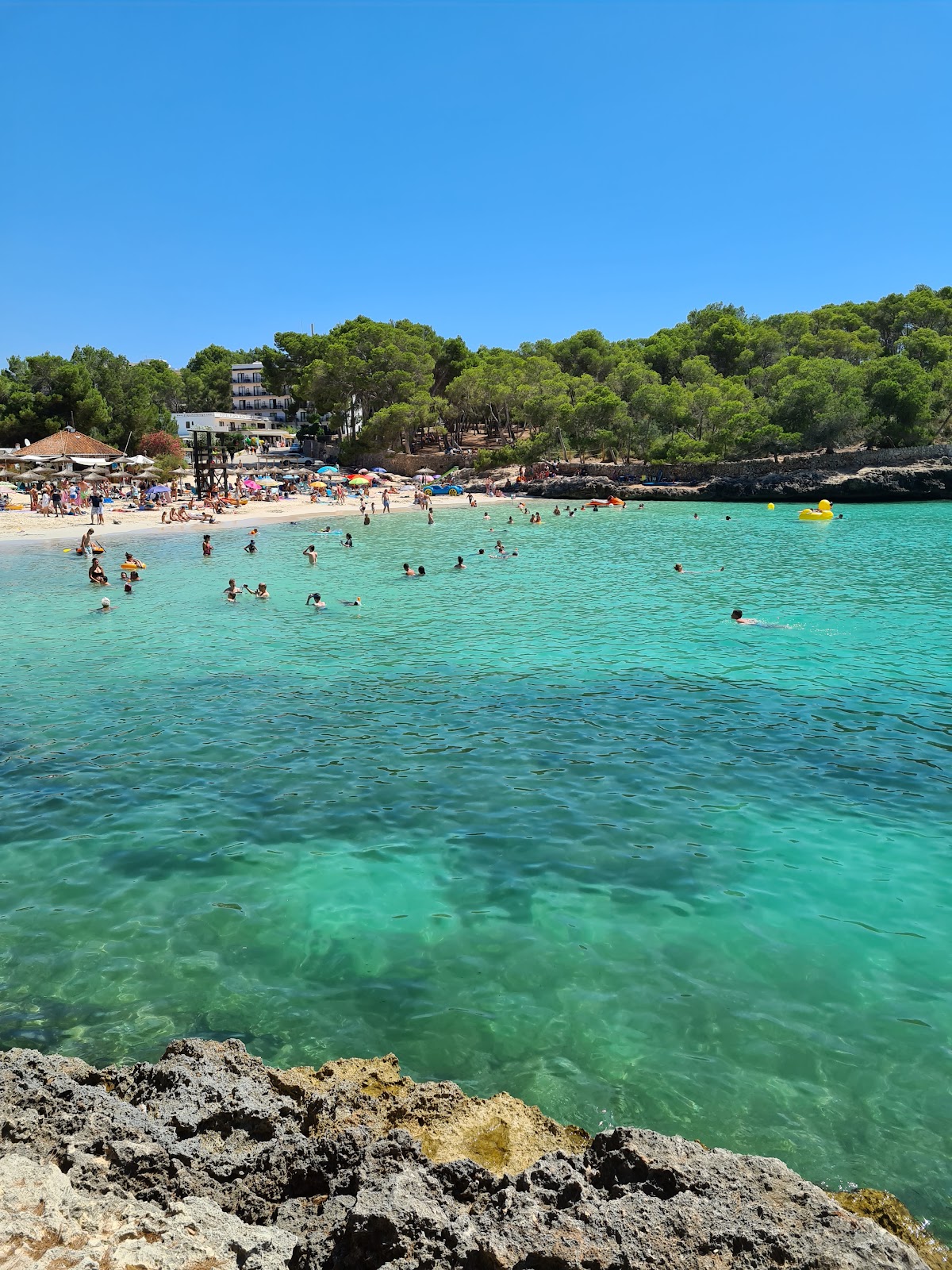
Cala Mondragó, 07691 Cala Mondragó, Illes Balears, Spain
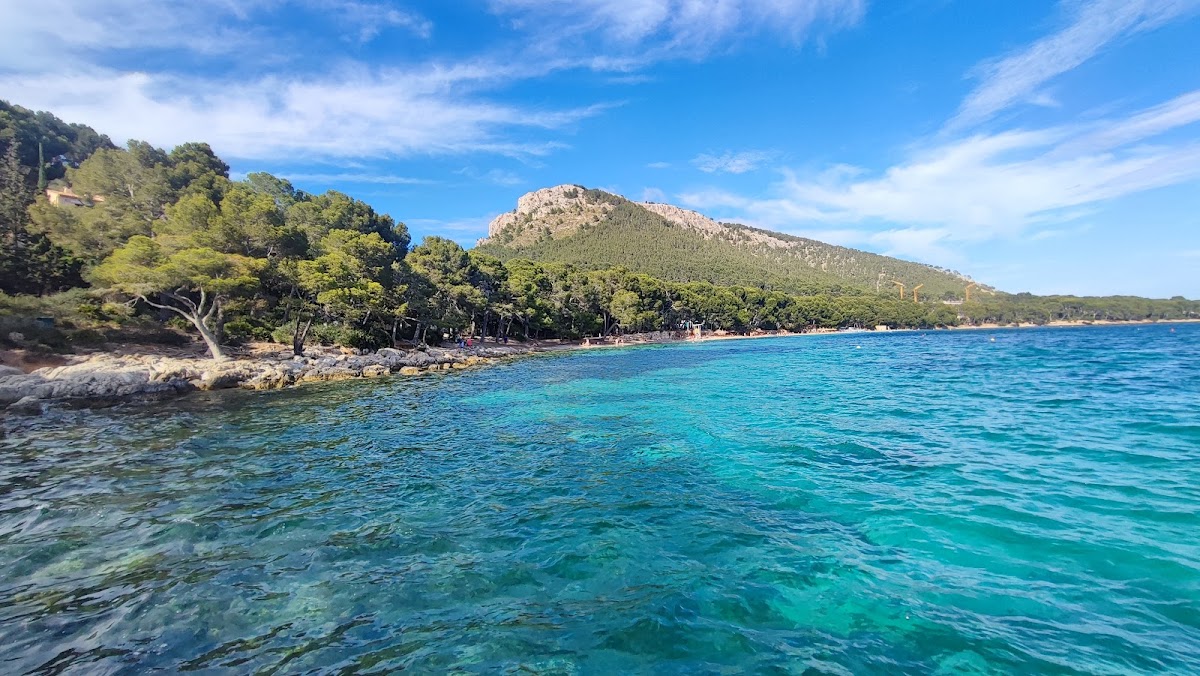
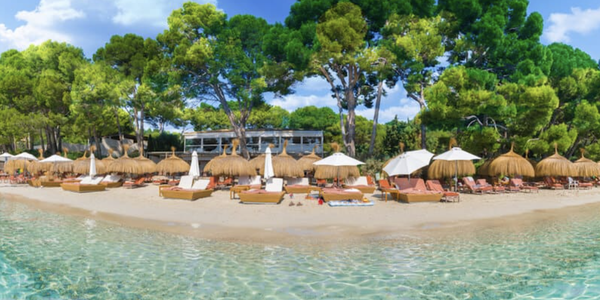
Platja de Formentor is the calm, pine-shaded beach on the sheltered side of the peninsula, looking back across the bay to Pollença. Read the access note below before planning to drive out here in summer.
Caló des Moro is the small cove that appears on every postcard, and it is genuinely tiny. Private vehicle access to it has been restricted for years; park at Cala Llombards or take the seasonal bus, and go early or late.
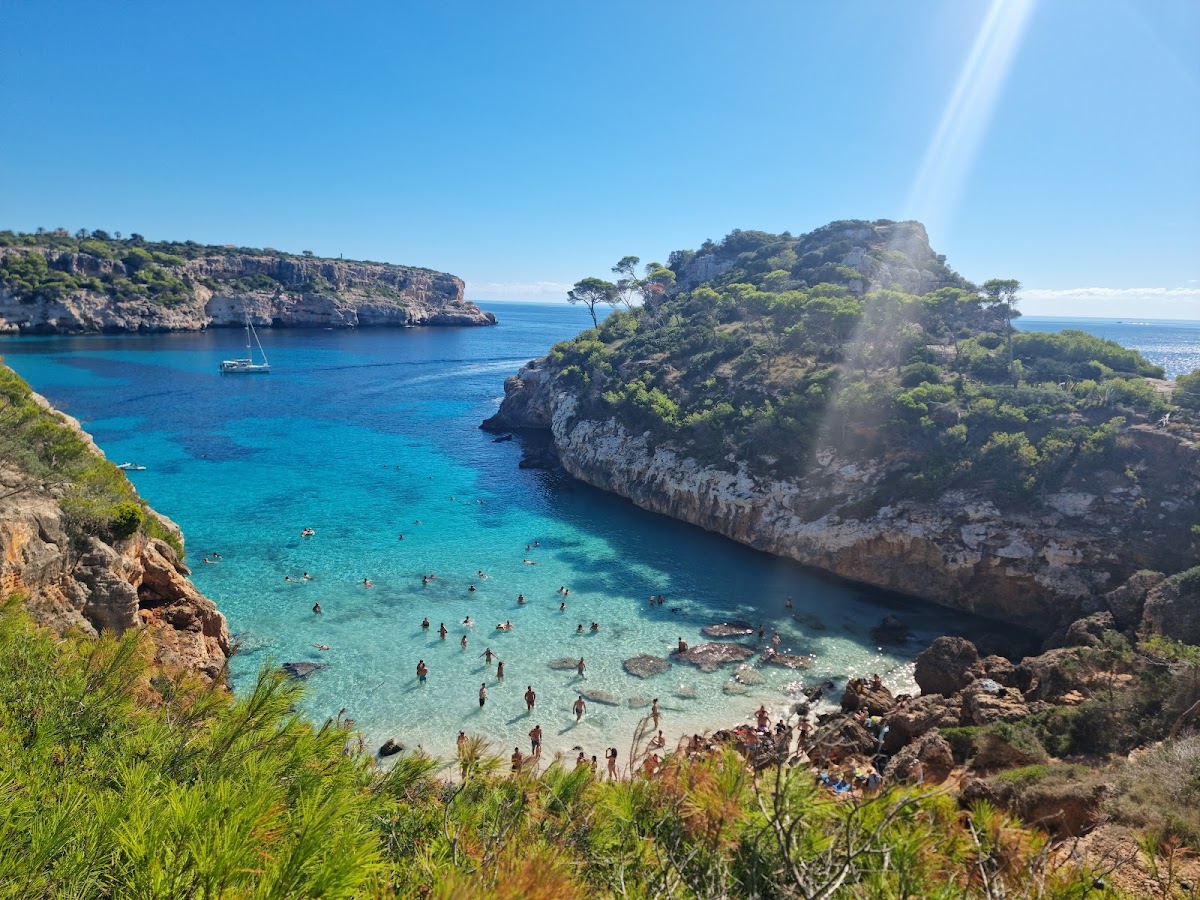
Caló del Moro, 07650 Sant Antoni de Portmany, Illes Balears, Spain
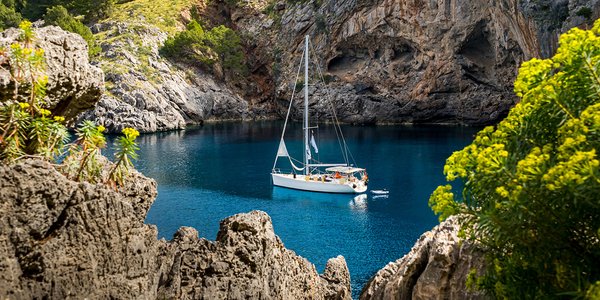
Hidden Mallorca: Secluded Coves
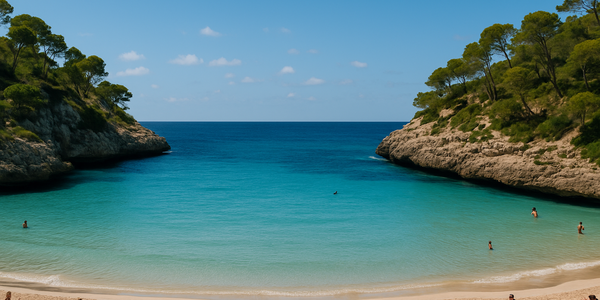
Essential Tips for Beachgoers in Mallorca
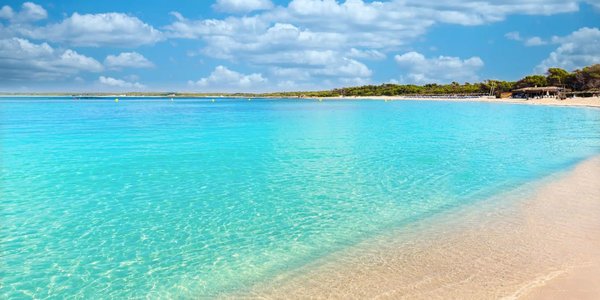
The Ultimate Guide to Mallorca's Breathtaking Beaches & Calas
Palma
Palma is not a resort with a city attached. It is a working Mediterranean capital of about 400,000 people, with a Gothic cathedral on the seafront, an Arab-era street plan in the old town, modernista shopfronts, and a food scene that has improved sharply over the last decade. It is also the one part of the island that works in winter.
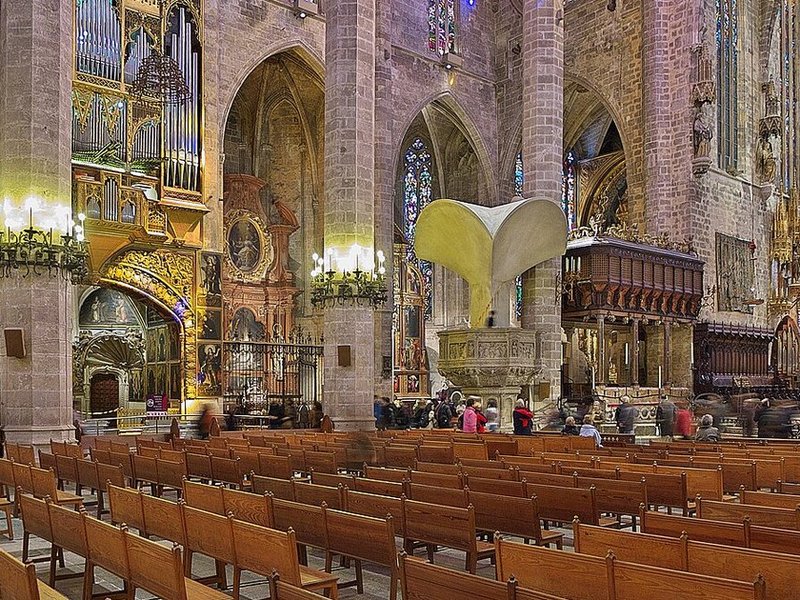
La Seu is the reason most people come, and it earns it — a 44-metre nave, a Gaudí-designed canopy over the altar, and a Miquel Barceló chapel. It closes to visitors on Sundays and runs shorter hours on Saturdays, so check before you go.
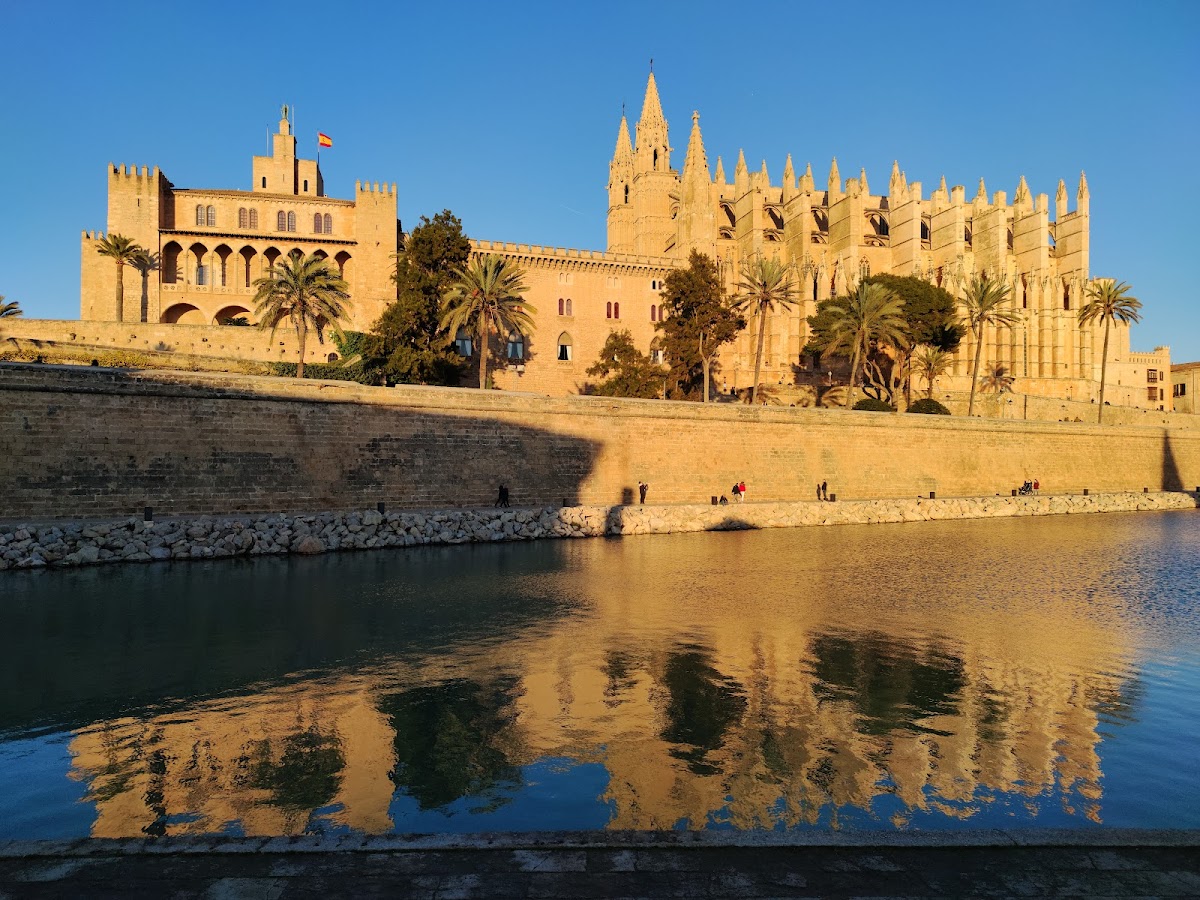
Plaça de la Seu, s/n, Centre, 07001 Palma, Illes Balears, Spain
Bellver is the circular castle in the pine woods above the city, and the walk around its roof gives you the whole bay. It closes on Mondays, and entry is free on Sundays.
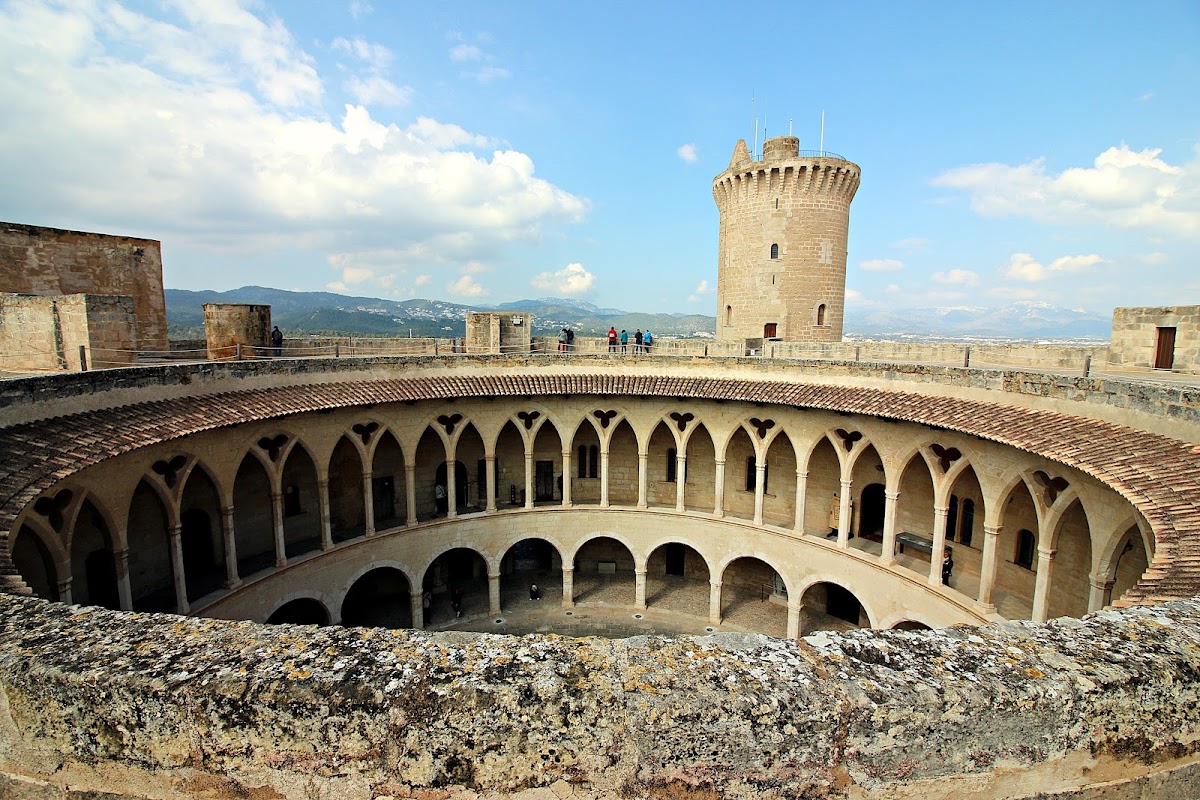
Carrer Camilo José Cela, s/n, Ponent, 07014 Palma, Illes Balears, Spain
Santa Catalina is the market that anchors the neighbourhood of the same name — produce and fish in the morning, tapas counters around it for the rest of the day.
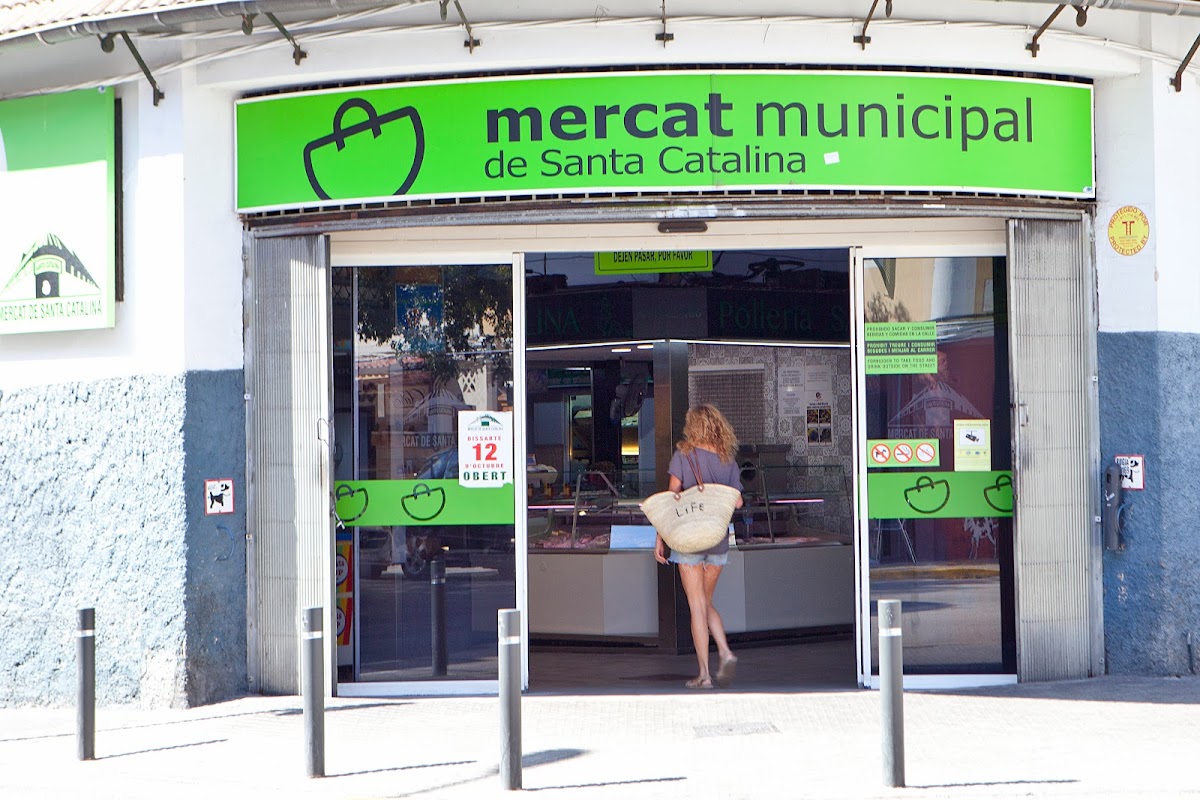
Plaça de la Navegació, s/n, Ponent, 07013 Palma, Illes Balears, Spain
Es Baluard is built into the Renaissance sea walls, and is the best of the island's contemporary art collections.
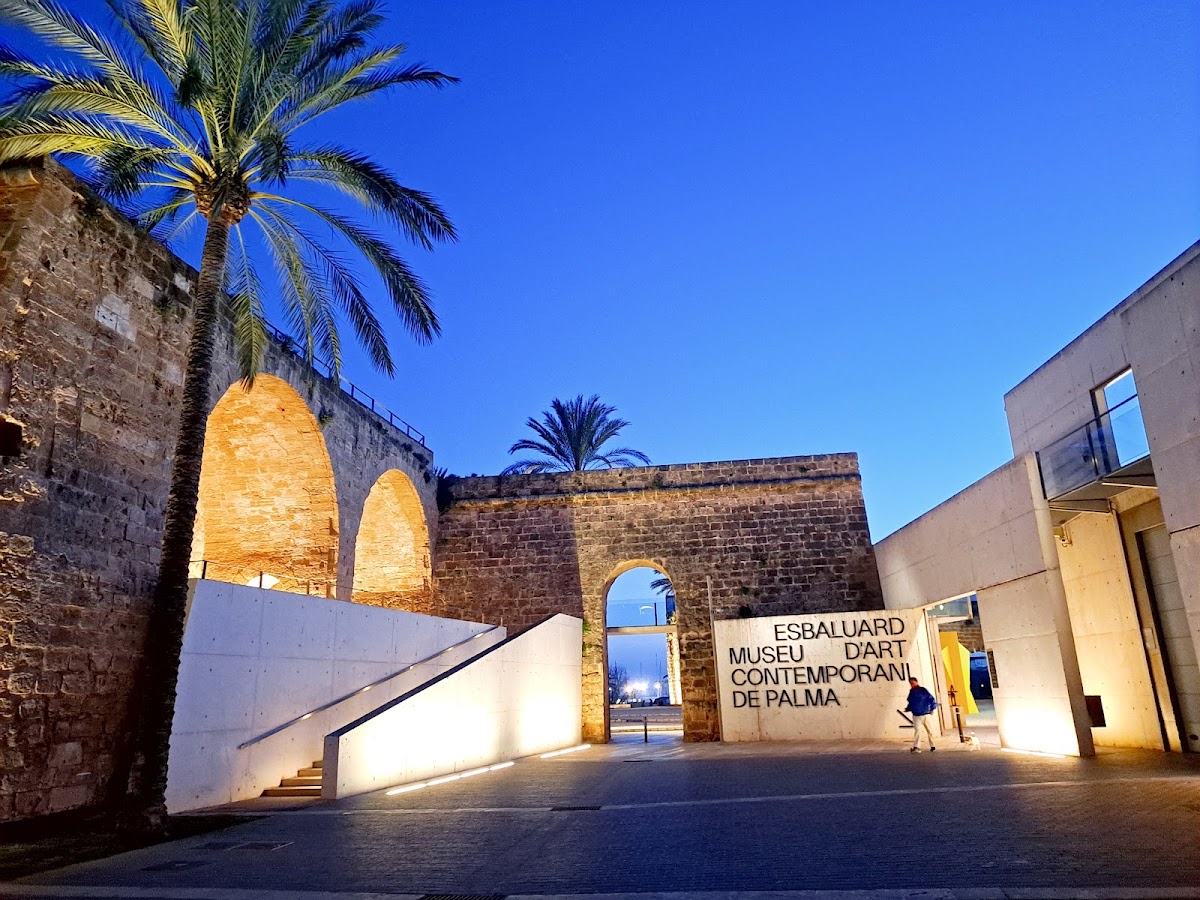
Plaça de la Porta de Santa Catalina, 10, Centre, 07012 Palma, Illes Balears, Spain
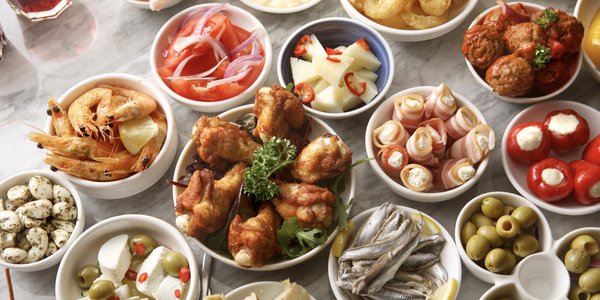
Top 5 Tapas in Palma: Where to Savor Mallorca’s Best Bites
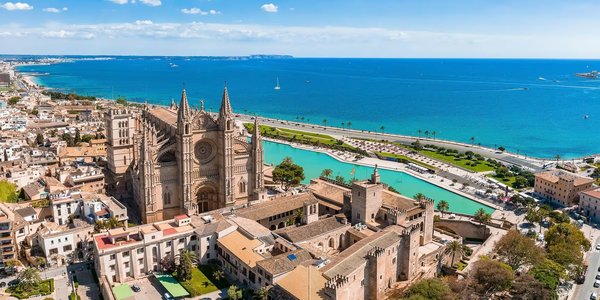
Best of Palma, Mallorca: A Comprehensive Travel Guide
The Tramuntana and the mountain villages
The Serra de Tramuntana runs the length of the north-west coast and is a UNESCO World Heritage site — listed not for the scenery but for the terraced agriculture, the dry-stone walls and the water channels built into the slopes over a thousand years. It is where the island is at its least like a holiday brochure and most like itself.
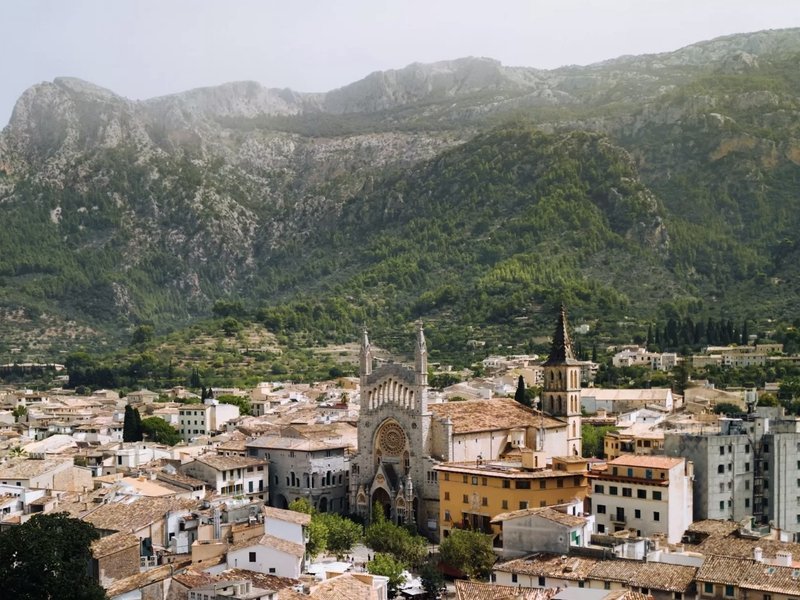
The vintage train from Palma to Sóller is the best-value hour on the island: wooden carriages, thirteen tunnels, and an orange valley at the far end.
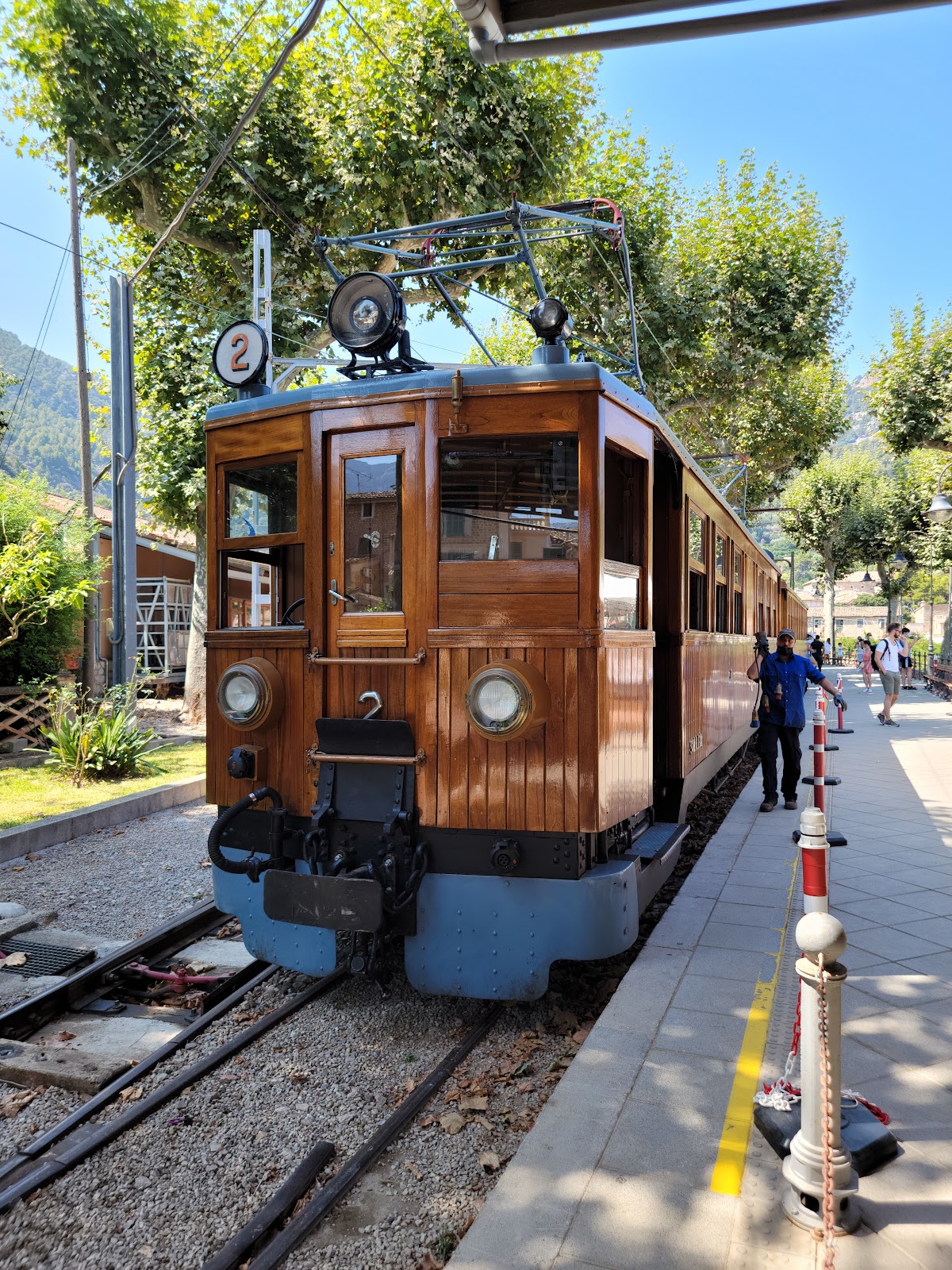
Plaça d'Espanya, 6, 07100 Sóller, Illes Balears, Spain
Valldemossa is built in stone the colour of honey, and the Carthusian monastery at its centre is where Chopin and George Sand spent the winter of 1838.
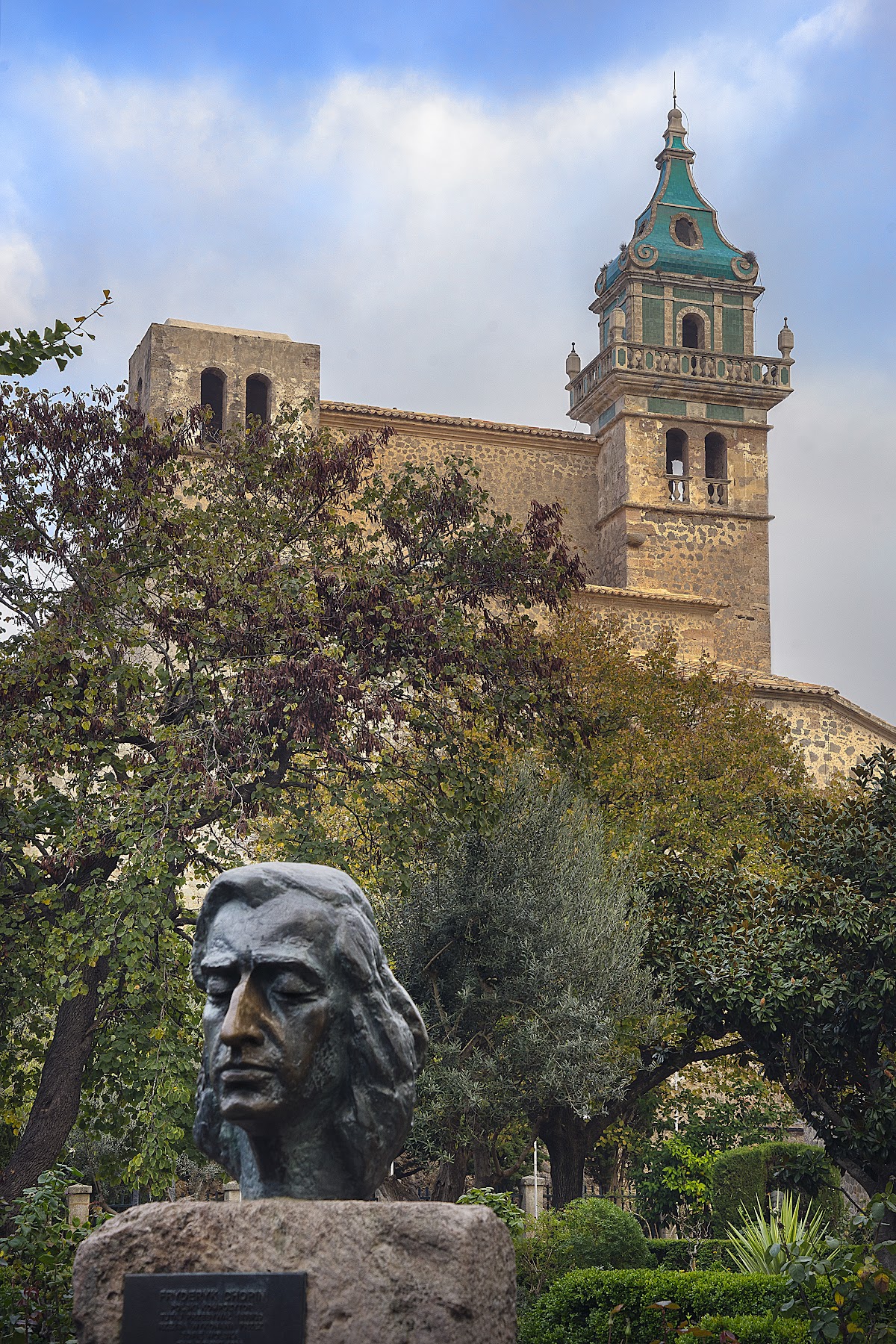
Plaça Cartoixa, s/n, 07170 Valldemossa, Illes Balears, Spain
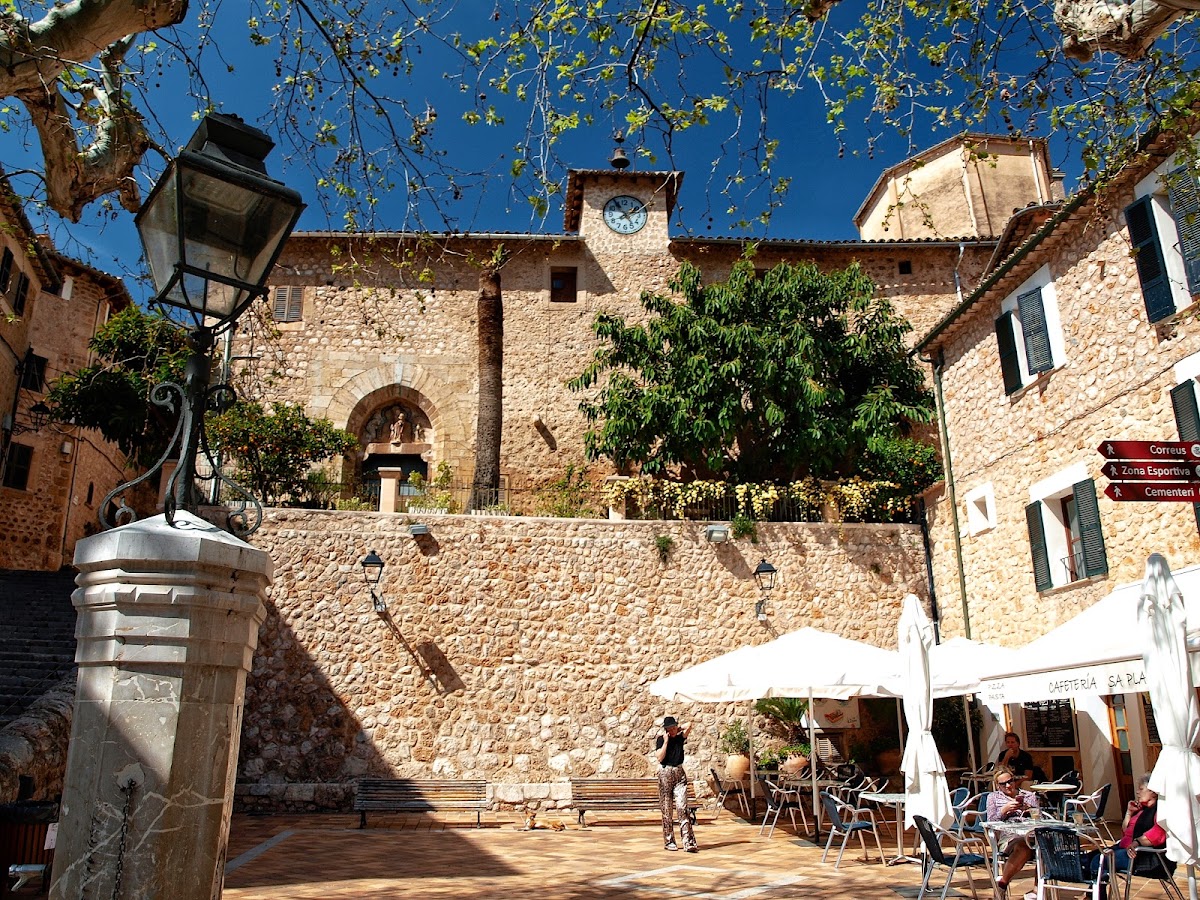
Fornalutx, above Sóller, is regularly called the prettiest village in Spain, and is small enough to see in an hour.
Sa Calobra is the descent — a road built in the 1930s that loops through a full circle on itself before dropping to a pebble cove at the mouth of the Torrent de Pareis gorge. It is worth doing for the drive, not the beach. Avoid the middle of the day, when the coaches come.
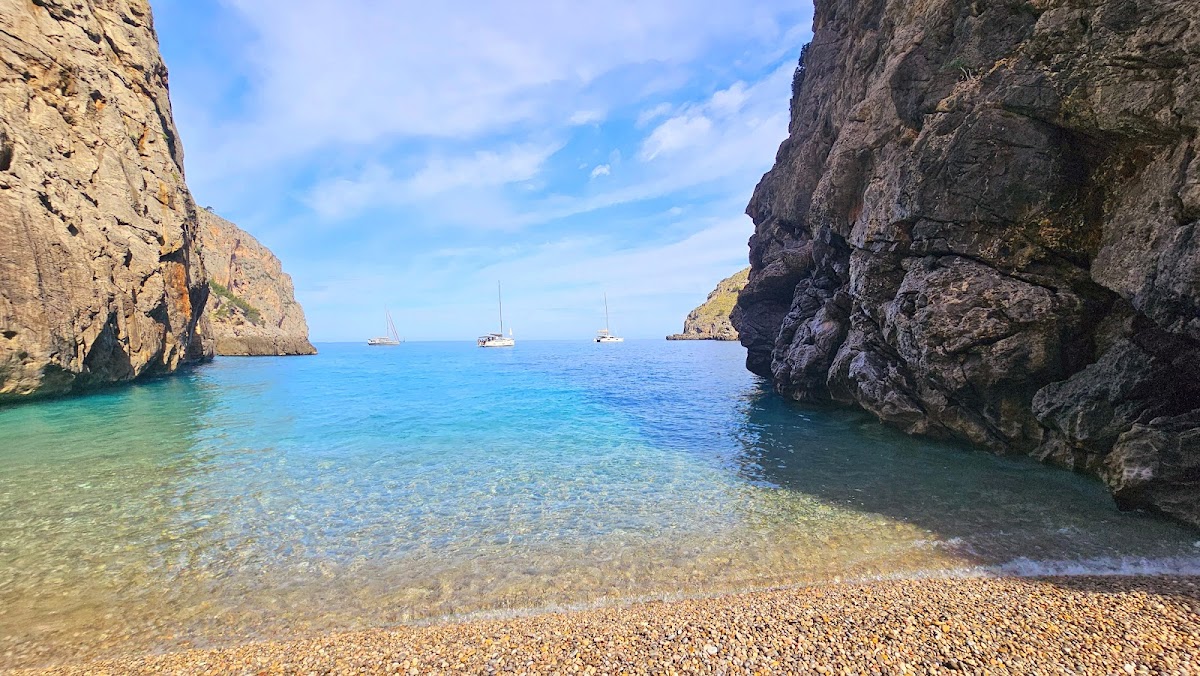
07315 Escorca, Balearic Islands, Spain
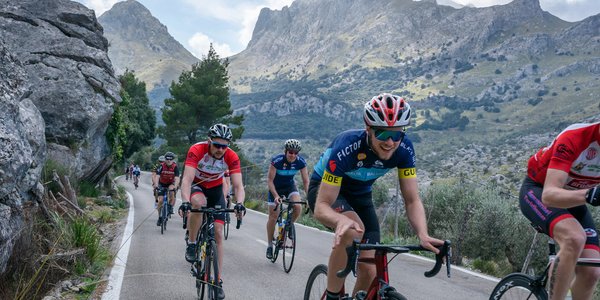
Pedal the Peaks: Discover the 5 Must-Ride Climbs of Mallorca’s Dramatic Tramuntana
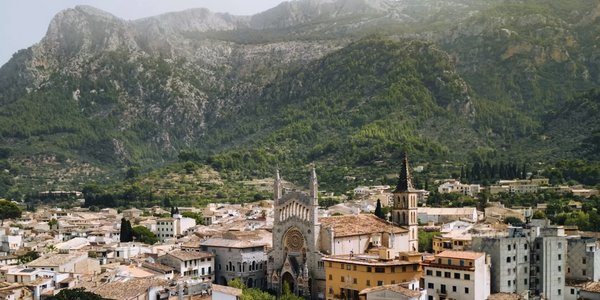
Orange-Valley Tram & Coastal Hikes – Sóller
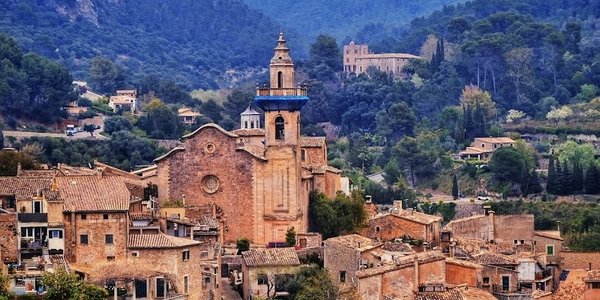
Romantic Mountain Retreat – Valldemossa
Caves, ruins and the rest of the island
Away from the coast and the mountains, Mallorca has limestone and it has history. The eastern caves are the largest visitor attractions on the island; the north has the Roman town and the wetlands.
The Coves del Drach hold an underground lake with a live classical concert performed from boats. Visits run at fixed times only, so this one needs planning rather than turning up.
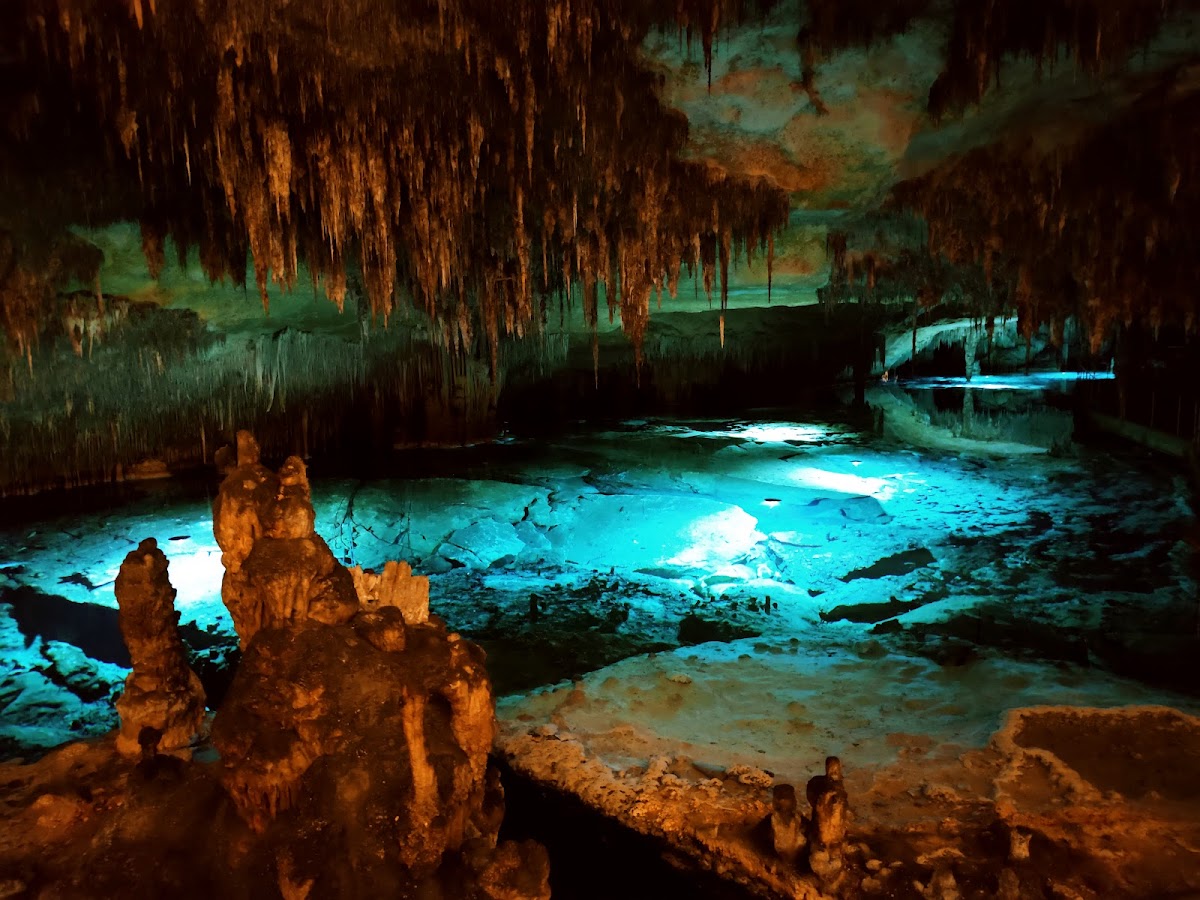
Ctra. de les Coves, s/n, 07680 Porto Cristo, Illes Balears, Spain
The Coves d'Artà are the more dramatic of the two, with a vast entrance chamber high above the sea.
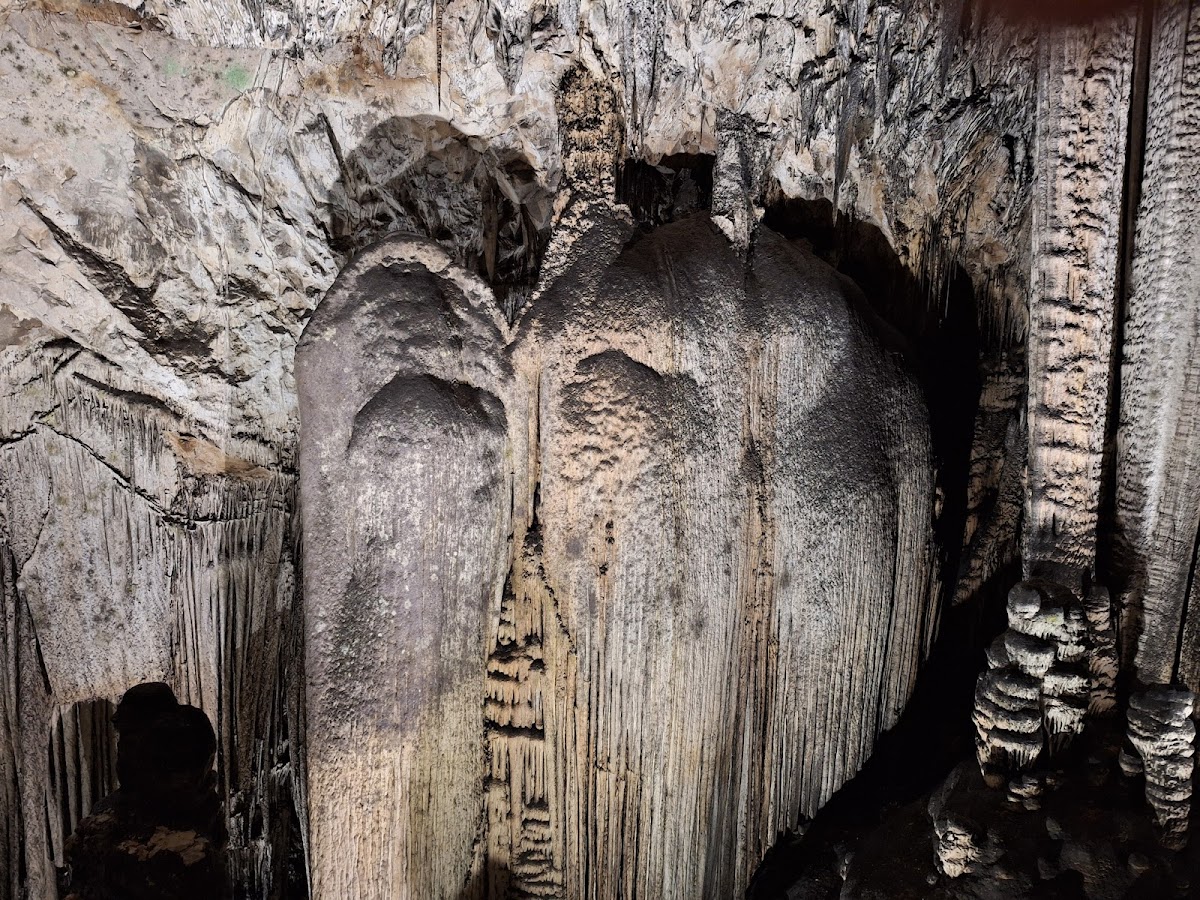
Carretera de las Cuevas, s/n, 07589 Canyamel, Illes Balears, Spain
Pollentia, at Alcúdia, is the Roman city founded in 123 BCE — a forum, a theatre and houses, with a small museum in the town. The site and the museum keep different days, and both close early at the end of the week.
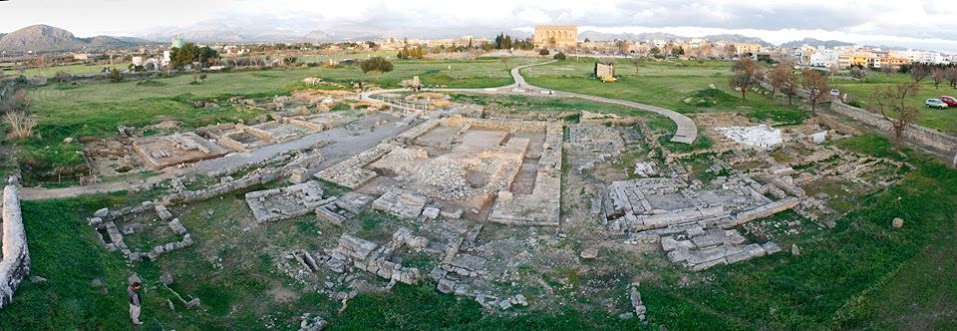
Av. Prínceps d'Espanya, s/n, 07400 Alcúdia, Illes Balears, Spain
S'Albufera is the largest wetland in the Balearics and the island's serious birdwatching site, with over 300 recorded species. Entry is free but needs a permit from the reception building, which closes earlier than the reserve itself. There are no bicycles to borrow — bring or hire your own.
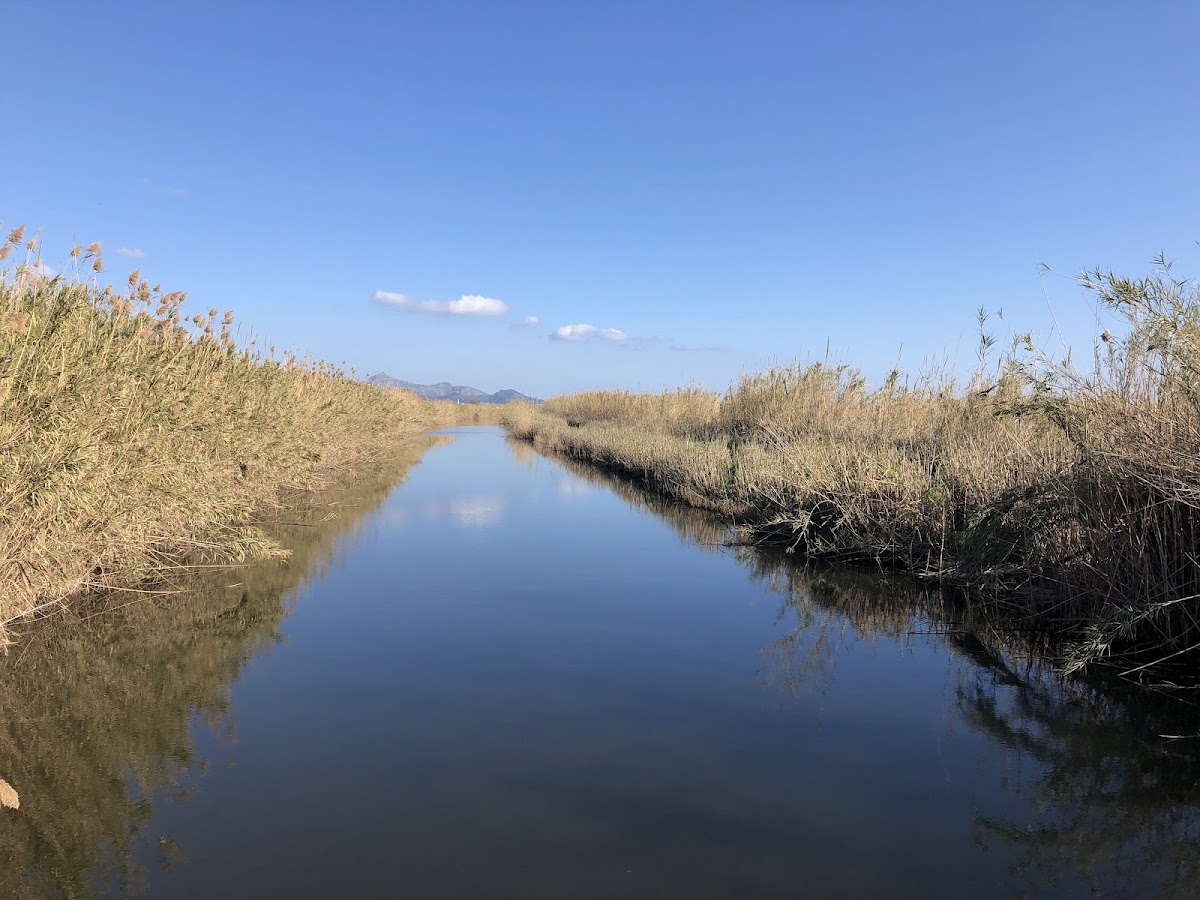
Av. de s'Albufera, 07458, Illes Balears, Spain
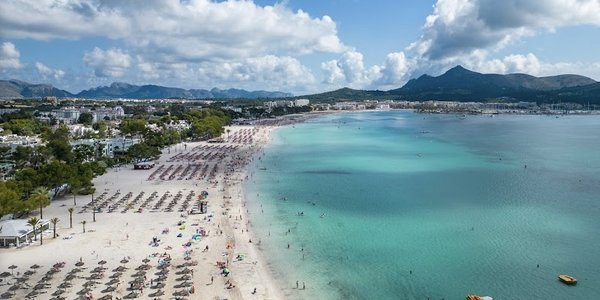
Medieval Walls & Mega Beach Fun – Alcúdia
Mallorca's Cultural Gems: A Museum Guide
Where to eat
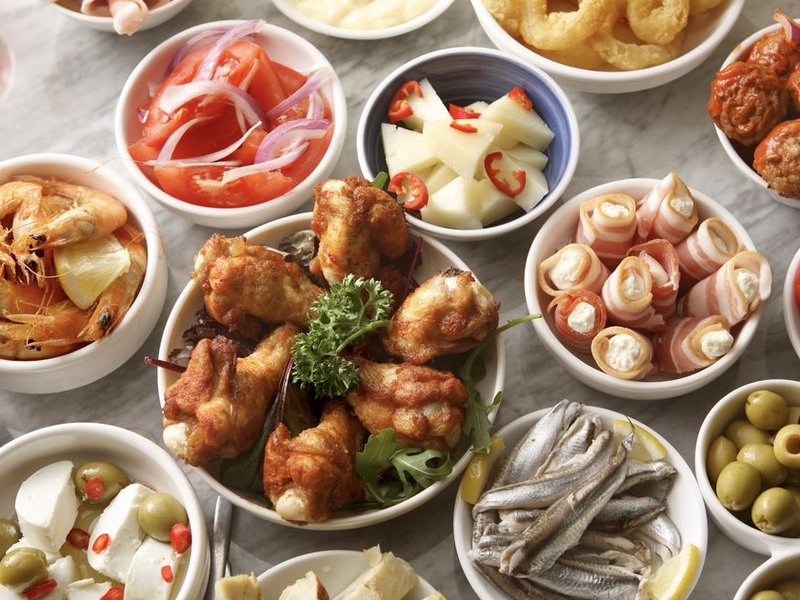
Mallorca has more Michelin stars per head than most of Spain, and it also has cellers — old wine cellars turned dining rooms serving roast lamb and frit mallorquí at a third of the price. Both are worth your time. The island food to look for is pa amb oli (bread, oil, tomato, and whatever else), sobrassada, tumbet, and the spiral ensaïmada pastry that everyone carries home in a hatbox.
Marc Fosh, in Palma, was the first British chef in Spain to earn a star and remains the easiest introduction to the island's fine dining.
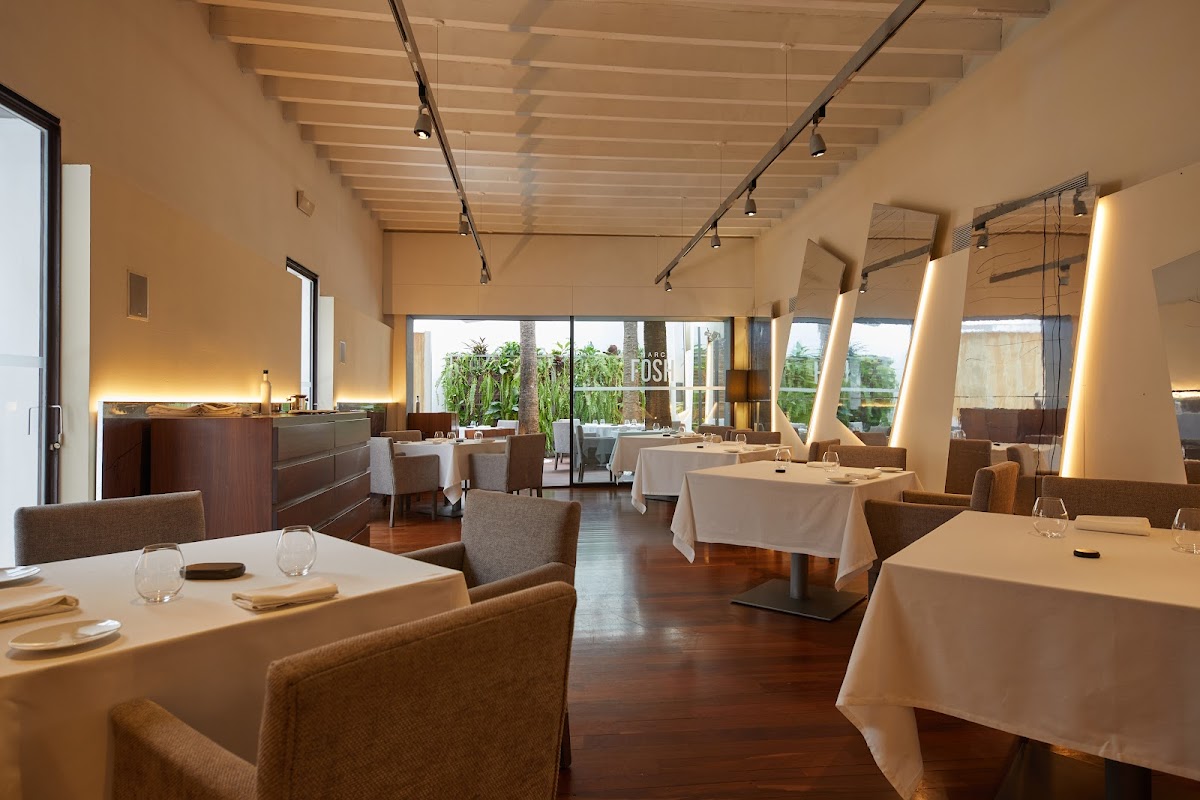
Carrer de la Missió, 7, Centre, 07003 Palma, Illes Balears, Spain
VORO, on the east coast, is the island's most decorated kitchen.
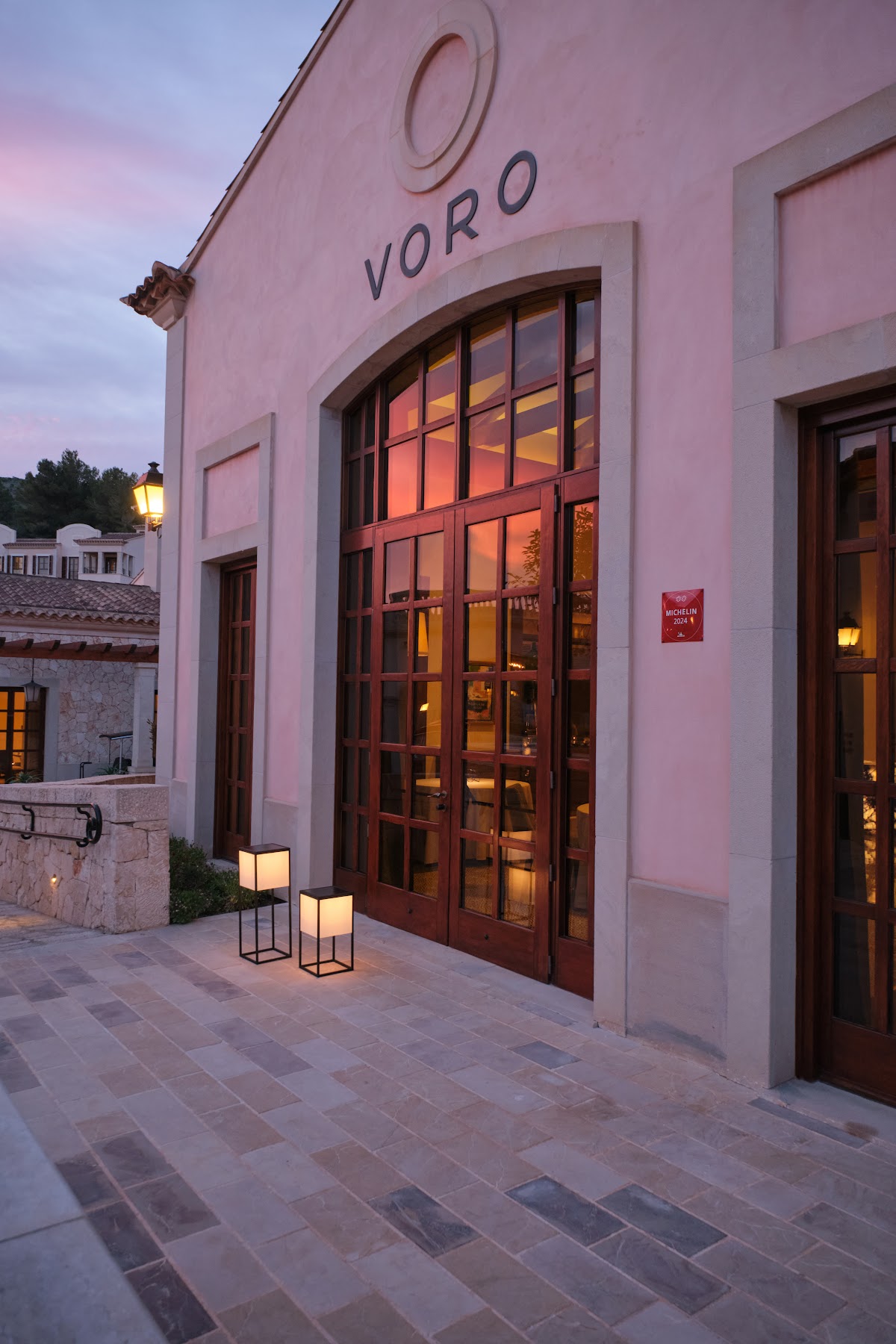
Urb. Atalaya de Canyamel, Vial A2, 12, Mallorca, 07589 Canyamel, Illes Balears, Spain
Ca Na Toneta, in the small inland village of Caimari, is the counter-argument: a tiny set-menu restaurant cooking almost entirely from its own garden.
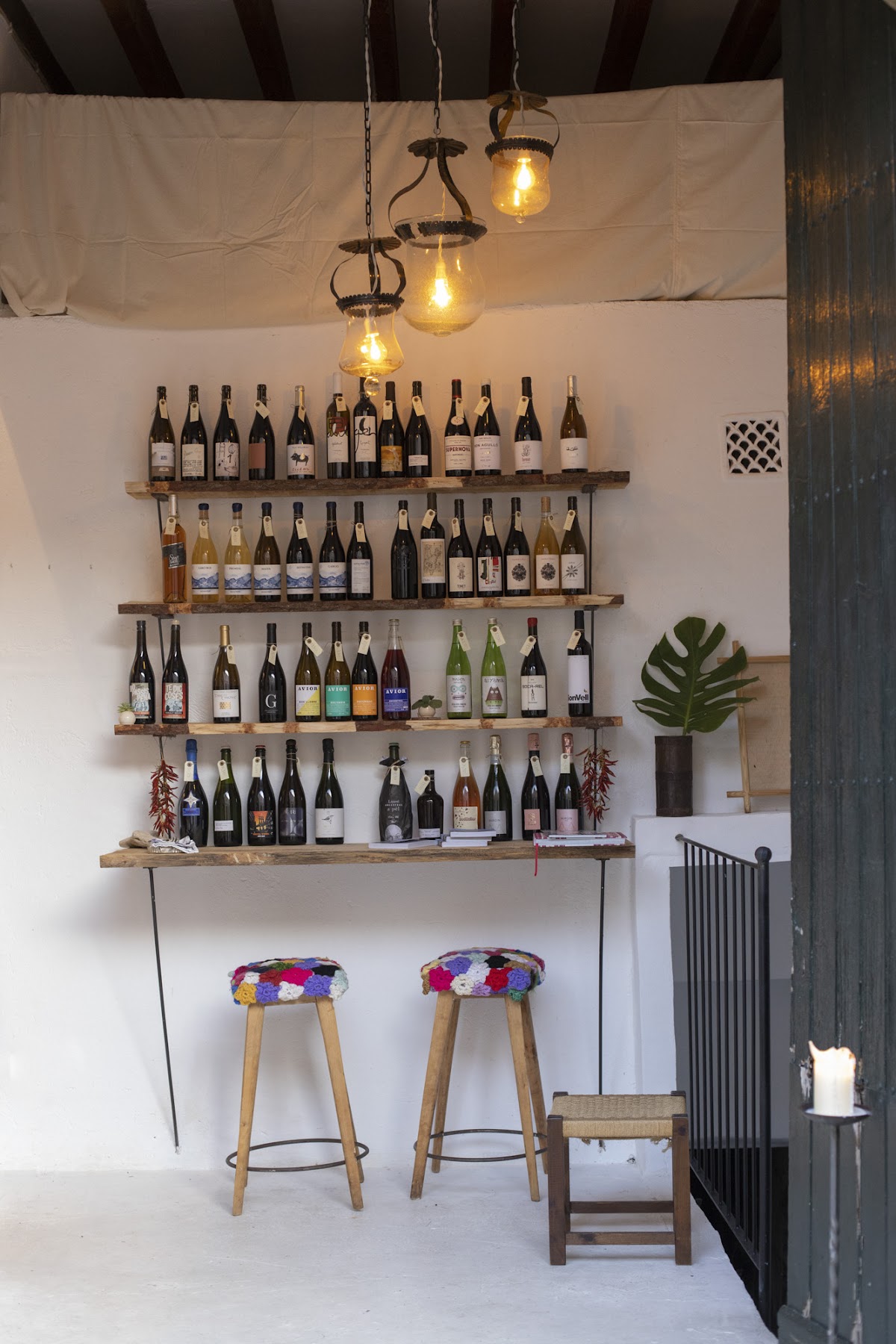
Carrer de s'Horitzó, 21, 07314 Caimari, Illes Balears, Spain
Bar España is the tapas end of Palma — standing room, vermouth, and no ceremony.
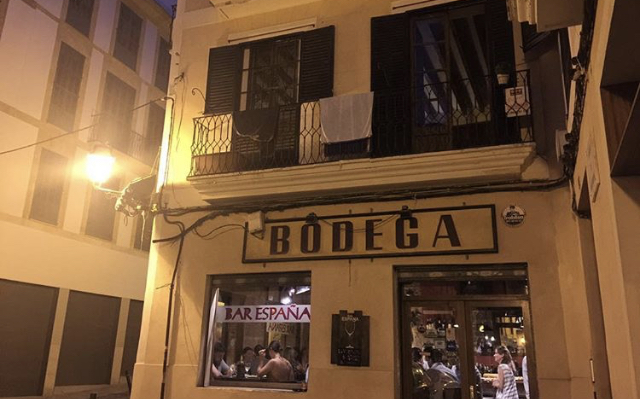
Carrer de Can Escursac, 12, Centre, 07001 Palma, Illes Balears, Spain
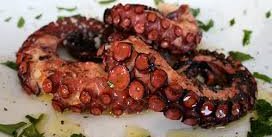
Mallorcan Seafood Odyssey: The Best Seafood Restaurants in Mallorca

A Gourmet Journey Through Mallorca: Your Guide to Michelin-Starred Restaurants
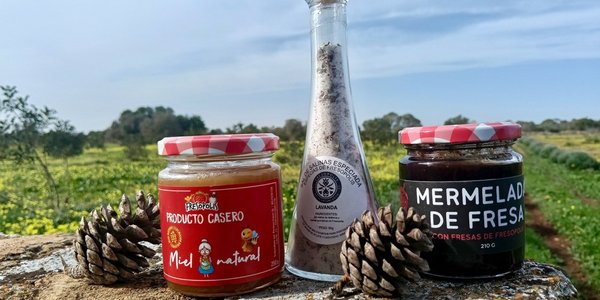
Farm‑to‑Table & Local Food Guide to Mallorca
Where to stay
Four broad choices. Palma, for a city trip and winter travel. A Tramuntana village, for walking and quiet. A north-coast resort at Alcúdia or Playa de Muro, for shallow water and families. Or an agroturisme — a converted farm inland, which is usually the best value on the island and always requires a car.
Cap Rocat is a converted nineteenth-century fortress on the bay, and the most striking building you can sleep in here.
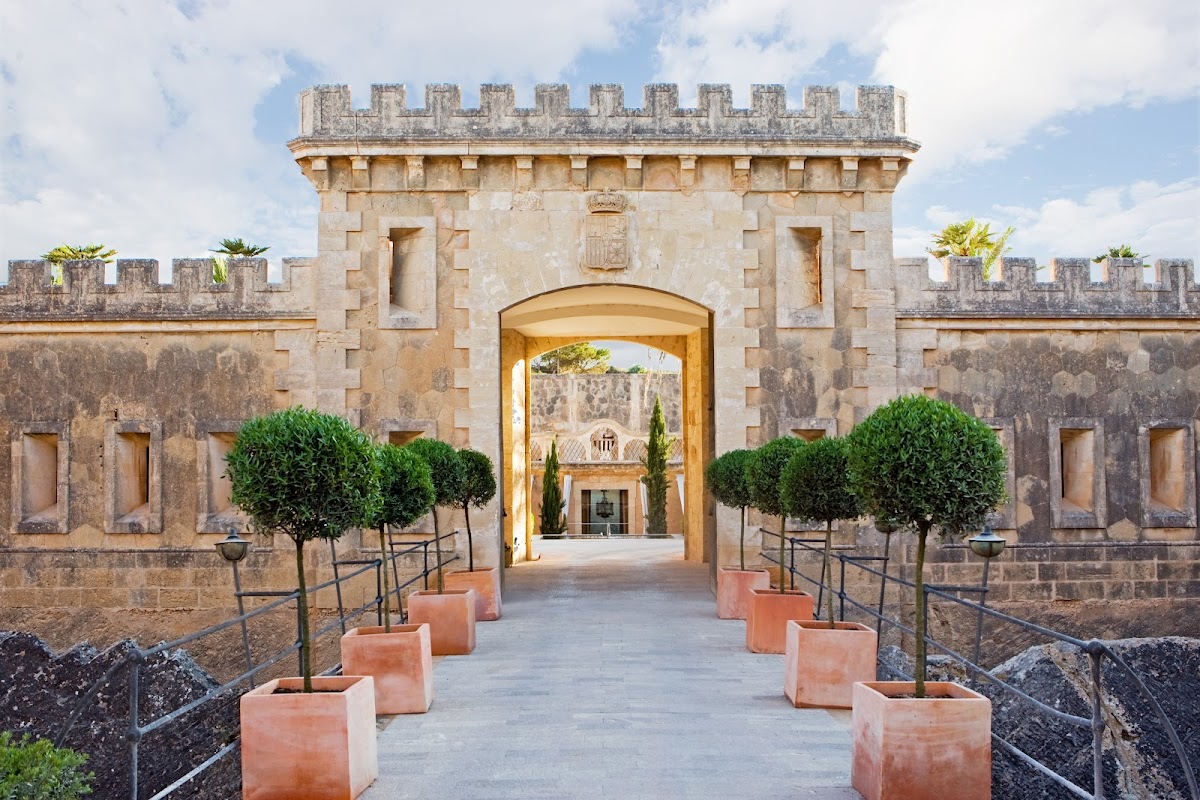
Ctra. d'enderrocat, s/n, 07609 Cala Blava-Llucmajor, Illes Balears, Spain
Can Ferrereta is a restored Santanyí townhouse, and a good base for the south-east coves.
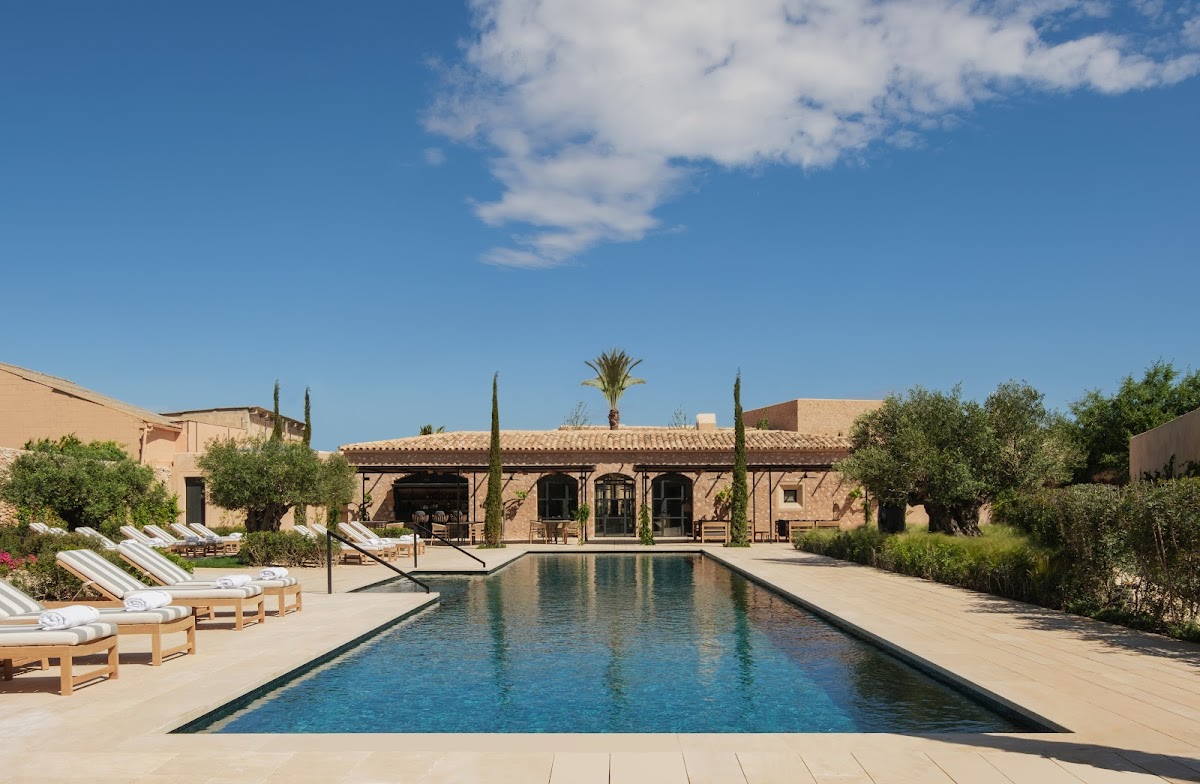
Carrer de Can Ferrereta, 12, 07650 Santanyí, Illes Balears, Spain
Son Bunyola sits on a large estate on the Tramuntana coast, with its own path down to the sea.
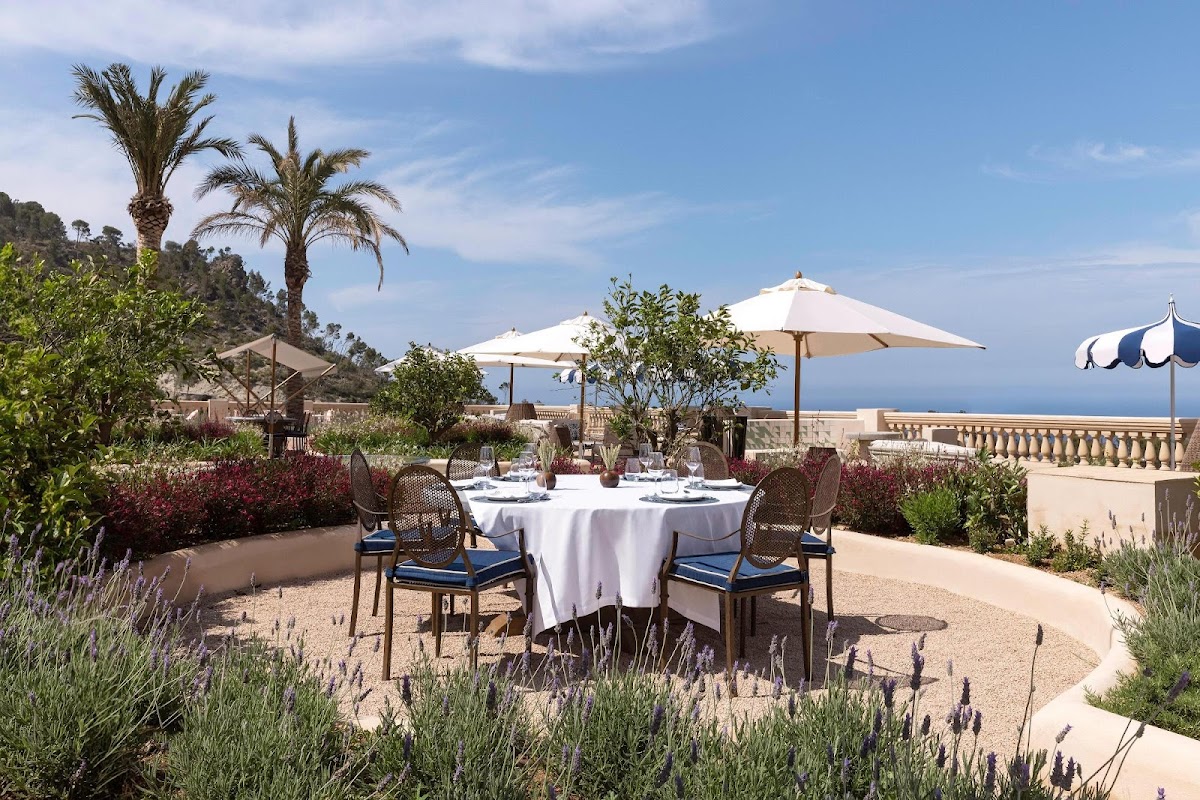
Ctra. C, 710, 07191 Banyalbufar, Illes Balears, Spain
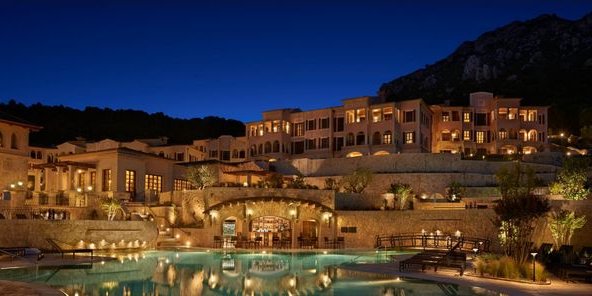
Discover 5-Star Luxury Hotels in Mallorca
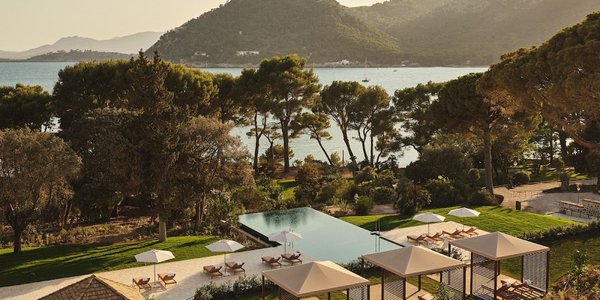
24 Boutique Hotels Outside Palma de Mallorca
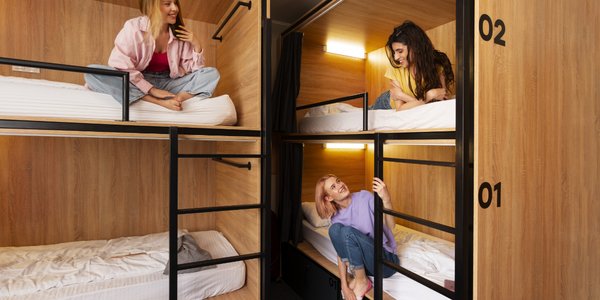
Guide to Hostels in Mallorca, Spain
Getting around
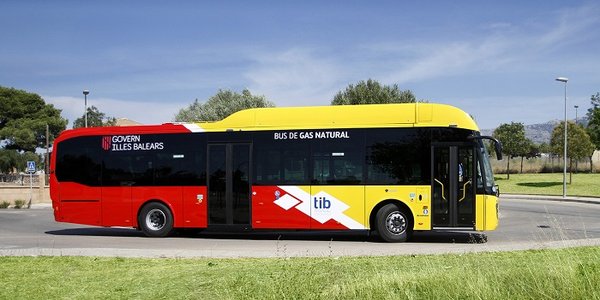
You can see Palma, Sóller, Valldemossa and the north-coast resorts without a car — the TIB bus network is good, the Sóller train and tram are useful as well as scenic, and Palma has its own city buses. Everything else, particularly the inland villages and the smaller calas, is much easier with one.
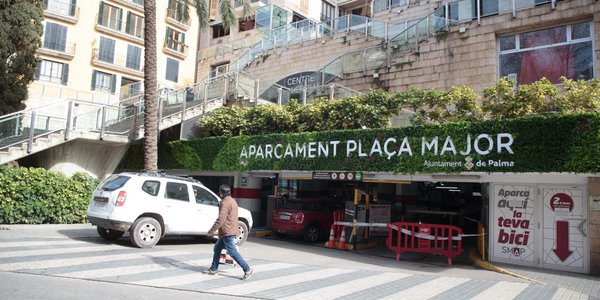
If you do drive, three things to know. Palma's centre is a low-emission zone, enforced around the clock, and it applies to visiting vehicles. Coastal parking in summer is metered and fills by mid-morning. And several of the best-known roads now have restrictions in season, which is the next section.
Car-Free Adventures in Mallorca
Parking in Palma and Mallorca: Zones, Car Parks and Fines
A Comprehensive Guide to Mallorca Airport (PMI)
Before you go
A few rules that change what is possible, and that catch visitors out.
The Formentor lighthouse road closes in season. From mid-May to mid-October, between 10:00 and 22:00, the road beyond Formentor beach is closed to private cars and motorcycles, and it is camera-enforced. Reach the lighthouse by TIB bus line 334, by taxi, by bike or on foot — or drive it outside those hours, which in high summer means very early, because sunset falls inside the closed window. This catches a lot of people who have read older advice.
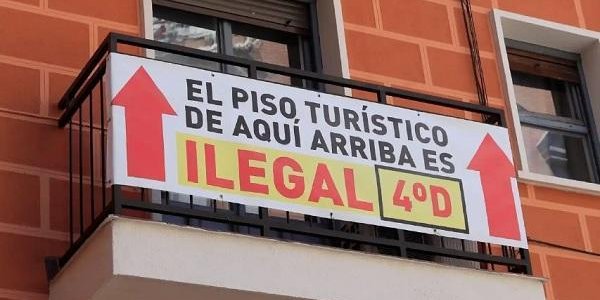
There is a tourist tax. The sustainable tourism tax is charged per person per night by your accommodation, on a sliding scale by category, reduced substantially outside high season and after the eighth night. Under-16s are exempt. Budget for it; it is not usually included in the room rate you booked.
Some resorts have alcohol restrictions. A decree covering Magaluf, Playa de Palma and s'Arenal limits off-licence alcohol sales at night, caps all-inclusive drinks, and restricts party boats and street drinking. It is enforced with fines.
Popular coves have access controls. Caló des Moro, Sa Calobra and others have parking limits, resident-only zones or seasonal shuttle buses. Check before driving to a small cove in August.
Mallorca 2026: Navigating changing laws and costs impacting tourists
Mallorca 2026: Your Master Guide to Sustainable Luxury and Regenerative Travel
When to go
May, June, September and early October are the best months: the sea is warm enough, the coves are usable, and the roads are not full. September is the single strongest choice — the water is at its warmest after a summer of heating.
July and August are hot, busy and expensive. The calas fill before 10:00, the mountain roads carry heavy traffic, and the seasonal access restrictions are all in force. Go if the school calendar decides for you, and start your days early.
November to March is quiet, green and much cheaper, and Palma stays fully open. Many coastal resorts close almost entirely, some attractions run winter hours, and swimming is for the committed. Almond blossom across the interior in late January and February is a genuine reason to come.
Whatever the season, book the mountain restaurants and the cave visits ahead, and check opening days directly with anywhere you are making a special trip for — Mallorca closes on Mondays more often than visitors expect.
Mentioned in This Guide
Explore all the locations mentioned in this guide on the map below.
Caló del Moro
Caló del Moro, 07650 Sant Antoni de Portmany, Illes Balears, Spain
Sa Calobra
07315 Escorca, Balearic Islands, Spain
Cala Mondragó
Cala Mondragó, 07691 Cala Mondragó, Illes Balears, Spain
Cap Rocat
Ctra. d'enderrocat, s/n, 07609 Cala Blava-Llucmajor, Illes Balears, Spain
Es Trenc
Es Trenc, Spain
Bar Espanya
Carrer de Can Escursac, 12, Centre, 07001 Palma, Illes Balears, Spain
Ferrocarril de Sóller - Estació de Sóller
Plaça d'Espanya, 6, 07100 Sóller, Illes Balears, Spain
Fornalutx
07109 Fornalutx, Balearic Islands, Spain
Catedral-Basílica de Santa María de Mallorca
Plaça de la Seu, s/n, Centre, 07001 Palma, Illes Balears, Spain
Es Baluard Museu d'Art Contemporani de Palma
Plaça de la Porta de Santa Catalina, 10, Centre, 07012 Palma, Illes Balears, Spain
Restaurant Ca na Toneta
Carrer de s'Horitzó, 21, 07314 Caimari, Illes Balears, Spain
Can Ferrereta
Carrer de Can Ferrereta, 12, 07650 Santanyí, Illes Balears, Spain
Son Bunyola Hotel & Villas
Ctra. C, 710, 07191 Banyalbufar, Illes Balears, Spain
Castell de Bellver
Carrer Camilo José Cela, s/n, Ponent, 07014 Palma, Illes Balears, Spain
Drach Caves
Ctra. de les Coves, s/n, 07680 Porto Cristo, Illes Balears, Spain
Mercat de Santa Catalina
Plaça de la Navegació, s/n, Ponent, 07013 Palma, Illes Balears, Spain
Marc Fosh Restaurant
Carrer de la Missió, 7, Centre, 07003 Palma, Illes Balears, Spain
Carthusian Monastery Valldemossa
Plaça Cartoixa, s/n, 07170 Valldemossa, Illes Balears, Spain
Platja de Formentor
Platja de Formentor, 07460, Spain
Parc Natural de s'Albufera de Mallorca
Av. de s'Albufera, 07458, Illes Balears, Spain
Ruines Romanes de Pollentia
Av. Prínceps d'Espanya, s/n, 07400 Alcúdia, Illes Balears, Spain
Coves d'Artà
Carretera de las Cuevas, s/n, 07589 Canyamel, Illes Balears, Spain
VORO Restaurant
Urb. Atalaya de Canyamel, Vial A2, 12, Mallorca, 07589 Canyamel, Illes Balears, Spain
